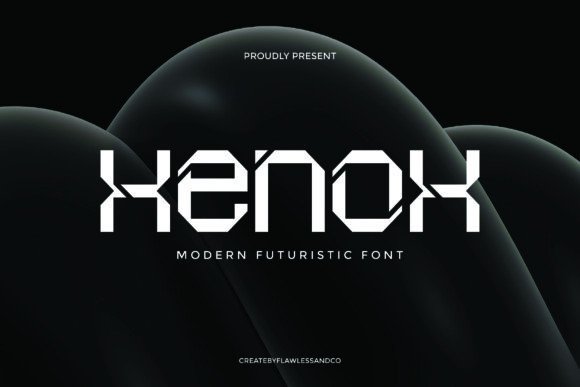
Harlet: A Modern Sans Serif Font That Elevates Handmade Design
I was halfway through designing a set of soy candle labels—amber glass jars, minimalist kraft paper, soft matte finish—when I paused. The name “Lavender & Smoke” looked right in concept but flat in execution. I’d tried three fonts already: one too playful, one too stiff, one that vanished at small sizes on the label preview. Then I opened Harlet. Instantly, the letters settled into place—not just legible, but intentional. Clean. Confident. Quietly luxurious.
Harlet is a condensed sans serif typeface with quiet authority. It’s not loud or flashy, but it carries weight—like a well-tailored blazer or a perfectly folded linen napkin. Its letterforms are tight and precise, with subtle open counters and even spacing that makes even short phrases feel considered. There’s no unnecessary ornamentation, yet it never feels cold. Instead, Harlet balances modern minimalism with warmth—ideal for makers who value craftsmanship, clarity, and quiet sophistication.
I first used Harlet for a batch of greeting cards—simple folded A6 cards printed on 300gsm cotton stock. For the front, I set “You’re Loved” in Harlet Bold, centered, with generous leading. The contrast between the crisp letterforms and the soft texture of the paper made the message feel both grounded and elevated. Customers later mentioned how “calm” and “thoughtful” the cards felt—proof that typography quietly shapes emotional resonance.
It shines especially well on physical product labels. Because Harlet is a condensed sans serif, it fits neatly on narrow spaces: candle jar wraps, tea box flaps, soap tags, or boutique garment hangtags. Its strong x-height and generous apertures mean it remains highly readable—even at 8pt on a 1.5-inch sticker or when laser-cut from vinyl for a Cricut project. No squinting. No second-guessing. Just clean, confident text that holds up across scales and substrates.
For digital printables—planner pages, habit trackers, wedding checklists—I use Harlet Light or Regular for headers and section titles. Its neutrality keeps focus on content, while its refined proportions add polish without competing with hand-drawn elements or watercolor backgrounds. When paired with a simple serif like Lora or a gentle script like Quicksand (for accents or signatures), Harlet becomes the steady anchor in a thoughtful font pairing—never overwhelming, always supportive.
Wedding stationery is where Harlet truly breathes. I recently designed a welcome sign for a late-summer vineyard gathering: “Welcome to Our Day” in Harlet Bold, printed on reclaimed wood panel. The font’s vertical rhythm echoed the tall, slender stems of dried pampas grass arranged beside it. No flourishes needed—the elegance lived in the spacing, the weight, the restraint. Likewise, for invitation suites, Harlet works beautifully for names, dates, and location lines—especially when set in all caps with slight tracking adjustment. It reads as timeless, not trendy.
Seasonal products benefit too. For holiday gift tags, I used Harlet Medium in deep forest green on cream cardstock—crisp enough for inkjet printing, sturdy enough for calligraphy-style foil stamping. On mug designs? Harlet handles curves gracefully. I tested it wrapped around a ceramic tumbler mockup—no distortion, no awkward gaps. And for tote bags printed via screen or DTG, its condensed width means longer phrases fit cleanly across the front without shrinking down to invisibility.
Readability matters most where function meets form. On small stickers—think 1-inch round enamel-style decals or die-cut vinyl for laptop decals—Harlet’s clean terminals and consistent stroke contrast ensure crisp edges, even after resizing. For cutting machines like Silhouette Cameo or Cricut Maker, I always convert text to outlines first (a quick step in Illustrator or InDesign), then test a single letter cut on scrap vinyl. Harlet’s geometry plays nicely with blade paths—no fragile serifs or thin joins to snag.
Before using Harlet commercially—whether on physical goods, SVG files for crafters, or editable Canva templates—I double-checked the license. It includes full commercial rights, multiple weights (Light, Regular, Medium, Bold), true italics, standard ligatures, and extended Latin character support—enough for English, Spanish, French, German, and more. No surprises when prepping bilingual wedding programs or multilingual shop signage. I also verified file formats: OTF and WOFF included, so I can embed safely in PDFs or use on web-based design tools.
Harlet isn’t meant for long paragraphs—this isn’t a body text font. It’s a display font, a title font, a branding font. Think: shop logo lockups, product name tags, banner headers for Etsy listings, Instagram story highlights, or embroidered monograms scaled for tote bag corners. Its strength lies in impact, not endurance. Use it where you want attention, clarity, and cohesion—all in one glance.
What surprised me most wasn’t just how well Harlet worked—it was how consistently it helped unify my shop’s look. From the “New Arrivals” banner on my website to the handwritten-style thank-you note tucked inside each order (with Harlet used only for the header “With Gratitude”), the font became a quiet thread tying everything together. Not identical repetition, but harmonic consistency—like choosing one beautiful ceramic glaze across a set of mugs and bowls.
If you’re selecting a sans serif font for handmade work, ask yourself: Does it reflect the care in your process? Does it scale gracefully from a 2mm tag to a 24-inch wall sign? Does it pair easily with other design assets you love? Harlet answers yes—to all three. It doesn’t shout. It simply shows up, polished and purposeful, ready to hold space for your creativity.